The Morrison Formation, the neighbours and the relatives
Stegosaurus lived in the Late Jurassic of western North America, among giant sauropods and big meat eaters.
Where it’s found
In the Natural History Museum’s directory, its fossils come from the USA. Natural History Museum: Stegosaurus (Dino Directory) Stegosaurus fossils come from the Morrison Formation, which also holds Allosaurus, Brontosaurus and Diplodocus. Natural History Museum: Diplodocus (Dino Directory)
Sophie comes from the Morrison Formation near Shell, Wyoming. Maidment, Brassey & Barrett (2015), The postcranial skeleton of an exceptionally complete individual of Stegosaurus stenops, PLOS ONE Stegosaurus itself has also been reported from Portugal. Maidment, Brassey & Barrett (2015), The postcranial skeleton of an exceptionally complete individual of Stegosaurus stenops, PLOS ONE
The landscape
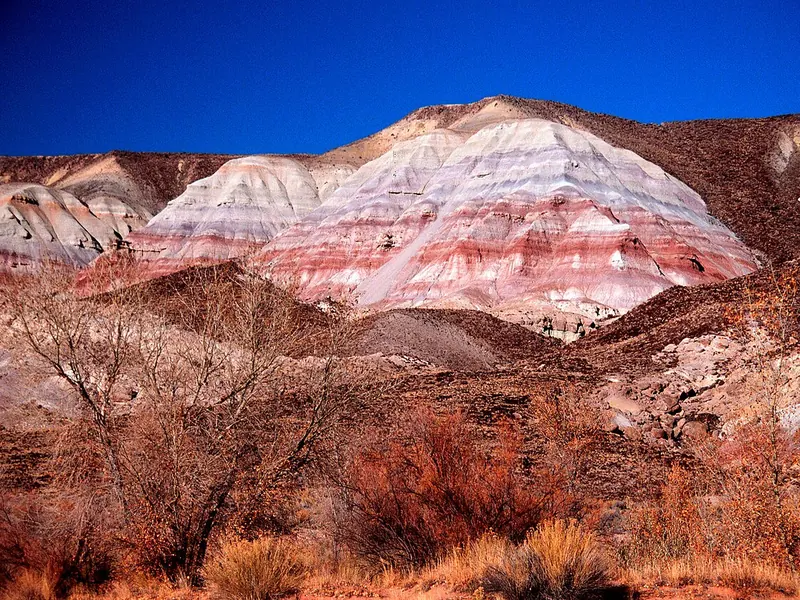
Sophie lived about 150 million years ago in a fairly harsh, arid environment. Natural History Museum: Stegosaurus Q&A with Prof Paul Barrett Its world had cycads, ferns and horsetails, with a few conifers, and no flowering plants or grasses. Natural History Museum: Stegosaurus Q&A with Prof Paul Barrett
Apatosaurus lived alongside Stegosaurus, Diplodocus and Allosaurus, in a semi-arid land with forests, rivers and wet and dry seasons. Natural History Museum: Apatosaurus (Dino Directory)
The neighbours
It shared the land with Diplodocus, Camarasaurus, Camptosaurus, Allosaurus and Ceratosaurus. Natural History Museum: Stegosaurus Q&A with Prof Paul Barrett Its predators included Allosaurus, Torvosaurus and Ceratosaurus. Smithsonian Magazine: Stegosaurus plate debate, 2012
Allosaurus
Allosaurus: “different lizard”, 9.7 m long, a meat eater with horns above its eyes. Natural History Museum: Allosaurus (Dino Directory)
Ceratosaurus
Ceratosaurus: “horned lizard”, 7 m long, with a horn on its snout and small bony armour along its back. Natural History Museum: Ceratosaurus (Dino Directory)
Diplodocus
Diplodocus: “double beam”, 26 m long, with a long neck and whip-like tail. Natural History Museum: Diplodocus (Dino Directory)
Brachiosaurus
Brachiosaurus: “arm lizard”, 22 m long, with front legs longer than its back legs. Natural History Museum: Brachiosaurus (Dino Directory)
Camarasaurus
Camarasaurus: “chambered lizard”, 23 m long, which stripped leaves with rows of teeth. Natural History Museum: Camarasaurus (Dino Directory)
Camptosaurus
Camptosaurus: “bent lizard”, a 5 m plant eater that walked on two or four legs. Natural History Museum: Camptosaurus (Dino Directory)
The stegosaurs
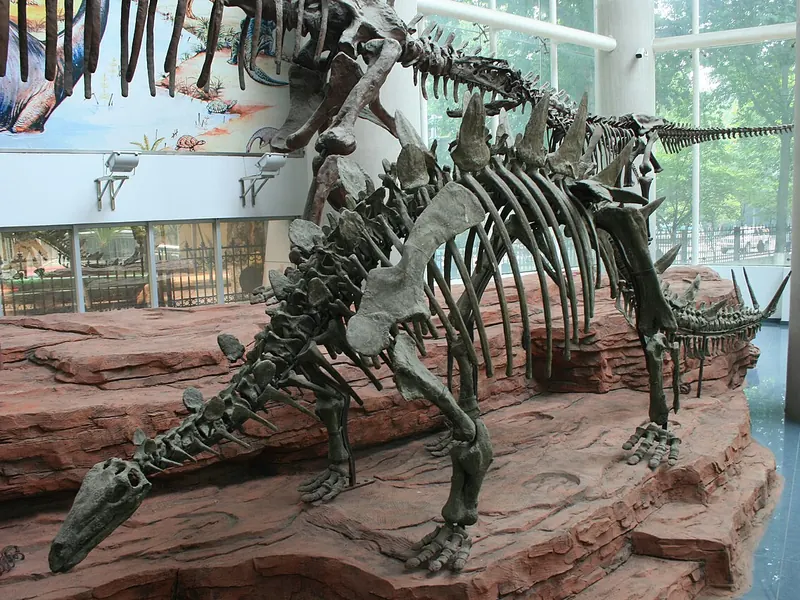
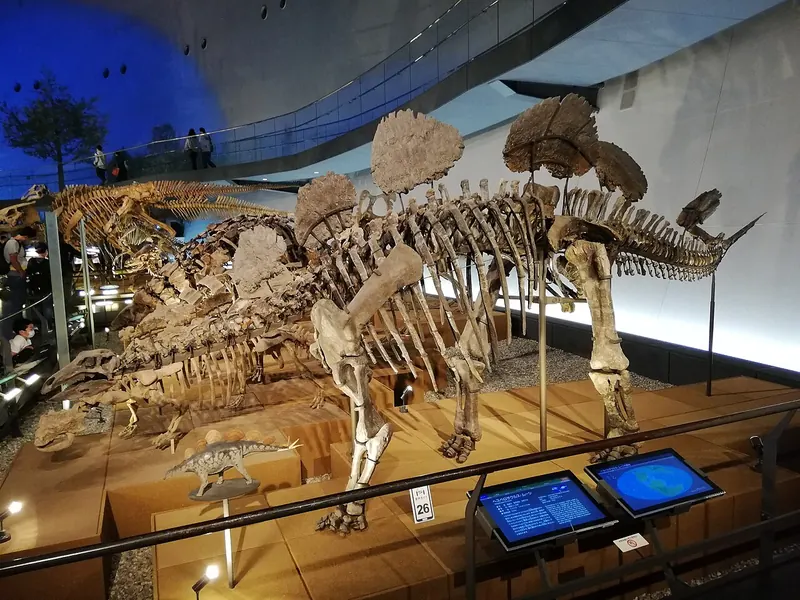
Stegosaurs lived from the Middle Jurassic to the Early Cretaceous, and have been found on every continent except Australia and Antarctica. Maidment, Brassey & Barrett (2015), The postcranial skeleton of an exceptionally complete individual of Stegosaurus stenops, PLOS ONE Because of a poor fossil record, the early evolution of stegosaurs is poorly understood. Li Ning et al. (2024), A new stegosaur from the Middle Jurassic of Gansu Province, China, Scientific Reports
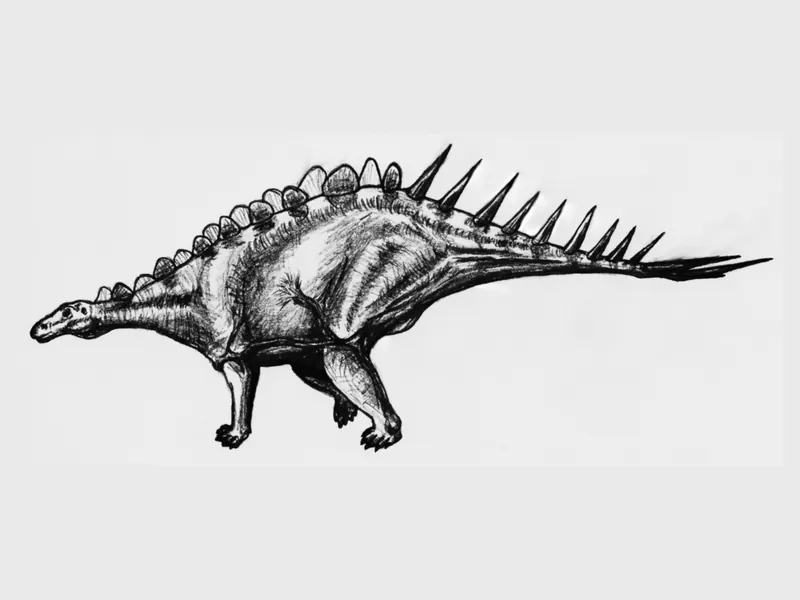
Kentrosaurus
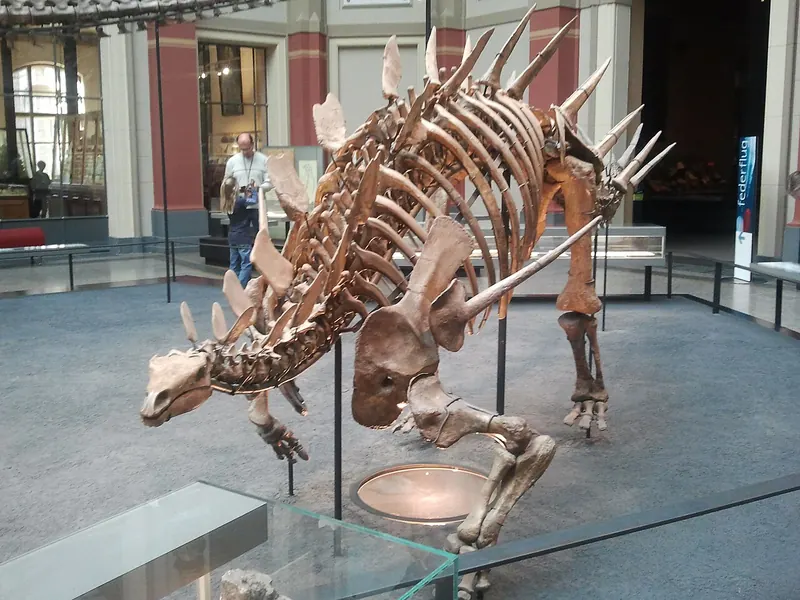
Kentrosaurus: “spiky lizard”, 5 m long, from Tanzania, 155 to 150 million years ago. Natural History Museum: Kentrosaurus (Dino Directory) Kentrosaurus was named by Hennig in 1915. Natural History Museum: Kentrosaurus (Dino Directory) A 2010 computer study found Kentrosaurus could sprawl its front legs to brace itself while swinging its tail. Smithsonian Magazine: The many postures of Kentrosaurus, 2010
Tuojiangosaurus
Tuojiangosaurus: “Tuo River lizard”, 7 m long and 1,500 kg, from China, 157 to 154 million years ago. Natural History Museum: Tuojiangosaurus (Dino Directory)
Huayangosaurus
Huayangosaurus: “Huayang lizard”, 4.5 m long, from China, 170 to 160 million years ago in the Middle Jurassic. Natural History Museum: Huayangosaurus (Dino Directory)
Dacentrurus
Dacentrurus: “pointed tail”, 6 m long, from England, France and Portugal, 154 to 150 million years ago. Natural History Museum: Dacentrurus (Dino Directory)
Miragaia
Miragaia, a long-necked stegosaur from Portugal, is the most complete stegosaur described from Europe. Costa & Mateus (2019), Dacentrurine stegosaurs: a new specimen of Miragaia longicollum, PLOS ONE
Baiyinosaurus
In 2024 scientists named Baiyinosaurus, a Middle Jurassic stegosaur from Gansu, China, which helps show how stegosaurs began. Li Ning et al. (2024), A new stegosaur from the Middle Jurassic of Gansu Province, China, Scientific Reports · checked 27 Oct 2026
Scelidosaurus
Scelidosaurus: “limb lizard”, a 4 m armoured dinosaur from England, 208 to 194 million years ago in the Early Jurassic. Natural History Museum: Scelidosaurus (Dino Directory)
Gargoyleosaurus
Gargoyleosaurus: “gargoyle lizard”, a 4 m armoured dinosaur from the USA, 154 to 142 million years ago. Natural History Museum: Gargoyleosaurus (Dino Directory)
Ankylosaurus
Ankylosaurus: “fused lizard”, 8 m long, with a heavy tail club, 68 to 66 million years ago. Natural History Museum: Ankylosaurus (Dino Directory)
Next: myths vs facts →